
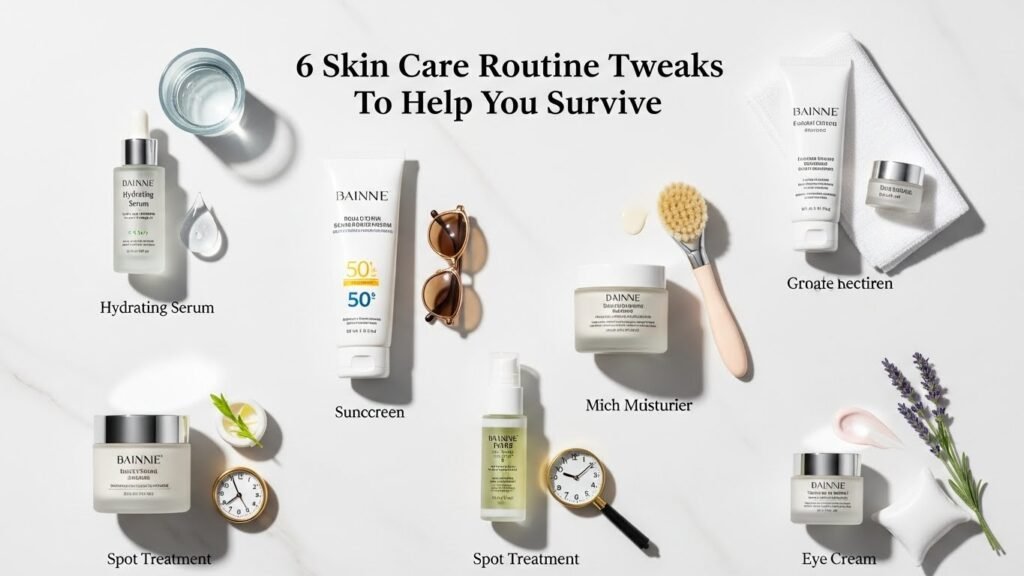
For summer skin that stays comfortable and protected, switch to a lightweight, non-foaming cleanser, take shorter lukewarm showers, use a hydrating serum and lightweight moisturizer, apply broad-spectrum SPF every day, treat chapped lips with a nourishing balm, and moisturize your body after showering. These six tweaks reduce moisture loss, control oiliness, and protect your skin barrier while keeping your skin cool and calm.
Why change your routine for summer?
Summer brings warm weather, humidity shifts, and more sun exposure. These factors can cause moisture loss, redness, more oil production, and a higher chance of UV damage. A few small changes — focused on hydration, lightweight products, and sun protection — let you keep your glow without feeling heavy.
Contextual bridge: the same habits that help in winter (rich creams, long hot showers) can cause clogged pores or sticky skin in summer. The goal is to support the skin barrier, prevent dry patches, and reduce heat-related irritation.
- Cleanse with a light, non-foaming cleanser in the morning.
- Apply antioxidant serum or light hydrating serum.
- Use a lightweight moisturizer with humectants (like hyaluronic acid).
- Finish with broad-spectrum SPF every morning.
- Evening: double-cleanse if you wore SPF/makeup, use a serum, then a thin moisturizer.
- Lips: apply lip balm frequently.
- Body: moisturize while skin is damp after a short lukewarm shower.
One — Take cooler, shorter showers
Why it matters: Long hot showers speed up moisture loss and strip natural oils, leaving skin dry and irritated.
Practical tweak:
- Aim for 5–10 minute showers and use lukewarm water.
- Pat skin dry — don’t rub — to preserve residual moisture.
- If you enjoy hot baths, alternate with cooler showers or keep baths brief.
How this connects: Cooler showers reduce moisture stripping, letting your moisturizer and hydrating serum work better to support the moisture barrier.
Two — Switch your cleanser to a lighter formula
Goal: Remove sweat and excess oil without over-drying.
What to use:
- Choose a thin, non-foaming cleanser or gel cleanser for daily morning use.
- For oily or combo skin, use a gentle salicylic acid cleanser a few times weekly to manage congestion.
- Reserve richer, cream cleansers for very dry skin and evening use only.
Why: Heavy winter cleansers that are rich and oily can feel sticky in heat and may lead to clogged pores. A lighter cleanser maintains skin balance.
Sample H2-to-H3 bridge: If you exfoliate, switch to gentler chemical options (AHA/BHA) and reduce frequency in hot weather. Over-exfoliating increases skin sensitivity and redness.
Three — Start using a hydrating serum
Why serums help: Serums are lightweight, target specific concerns, and boost moisture without heaviness. They act between cleansing and moisturizing to strengthen the moisture barrier.
Key ingredients to look for:
- Hyaluronic acid (humectant — pulls in water)
- Niacinamide (supports barrier, reduces redness)
- Lightweight antioxidants (vitamin C, green tea extract for UV stress)
How to use: Apply 2–3 drops to slightly damp skin, then seal with a lightweight moisturizer. This layering keeps skin hydrated without clogging pores.
Personal tip: I use a hydrating serum in summer mornings and evenings. It gives a soft, dewy base and helps the moisturizer work more efficiently.
Four — MUST: Don’t skip your SPF every day
Why this is non-negotiable: UV rays are present whenever there is daylight. They cause pigmentation, premature aging, and immediate sunburn risk.
How to implement:
- Use a broad-spectrum SPF 30+ every morning. Reapply every 2 hours if you’re outdoors.
- Pick lightweight, non-comedogenic formulas for the face (gels, fluid sunscreens, or mineral options like zinc oxide if you prefer).
- If you use makeup, use a setting spray or powder with SPF for touch-ups, but rely on cream or lotion SPF under makeup for primary protection.
Semantic note: SPF usage preserves the skin barrier and prevents long-term UV damage. Make it the last step of your AM routine, before makeup.
Five — Don’t lick your lips; use a nourishing balm
Why it helps: Saliva contains enzymes that irritate and dry the lips. Licking makes chapping worse.
Simple fix:
- Keep a moisturizing lip balm (petroleum jelly, lanolin, or a balm with humectants) on hand.
- Apply frequently, especially after sun exposure or air conditioning.
- At night, consider a thicker balm to seal in moisture.
Related idea: For persistent chapped lips, treat with a barrier-repair balm and avoid spicy or acidic foods that can irritate the mouth area.
Six — Don’t ignore your body: hydrate after showering
Why it matters: Your whole body needs care — not just your face. Hot weather and air conditioning both dry the skin.
How to do it right:
- Moisturize while skin is damp to lock in water (this is a high-value tweak).
- Use lightweight body lotions or body serums with humectants (glycerin, hyaluronic acid) and lightweight emollients.
- Consider a humidifier in dry indoor spaces to maintain comfortable humidity and reduce dry indoor air effects.
Product type pointers: Look for non-greasy formulas and pro-ceramide or niacinamide ingredients for barrier support.
How to layer products: a summer AM/PM step plan
AM (simple):
- Cleanser (light, non-foaming)
- Antioxidant serum (optional)
- Hydrating serum (hyaluronic acid)
- Lightweight moisturizer (gel-cream)
- Broad-spectrum SPF 30+
PM (simple):
- Cleanser (double-cleanse only if you had sunscreen/makeup)
- Treatment/targeted serum (optional — avoid heavy actives midday)
- Night moisturizer or lightweight cream on damp skin
- Target lips and dry spots with occlusive balm if needed
Common summer skin concerns and fixes
Oily skin & breakouts: Use gentle exfoliation (BHA salicylic) 1–2x weekly and lightweight moisturizers to prevent over-stripping.
Heat rash or irritation: Cool compresses, breathable fabrics, and short cool showers help. Add soothing serums with green tea or niacinamide.
Pigmentation from sun exposure: Daily SPF and antioxidant serums reduce future darkening; see a professional for intense pigmentation treatments.
Dry patches despite humidity: Use humectants + occlusives (a tiny amount of occlusive at night) on targeted areas. Moisturize damp skin.
A: Use a broad-spectrum SPF, reapply frequently, wear a hat and shade, use antioxidant serums, and avoid prolonged midday sun.
A: A lightweight gel-cream with humectants (hyaluronic acid) and non-comedogenic emollients. Avoid heavy occlusives during the day.
A: Reduce exfoliation frequency compared to winter. Try 1–2 times weekly with gentle chemical exfoliants like BHA/AHA if needed.
Conclusion — keep it simple, consistent, and protective
Summer care doesn’t require a full overhaul — it needs smart swaps. Shorter, cooler showers prevent moisture loss. Lighter cleansers and hydrating serums keep skin balanced. Daily SPF protects you from UV damage, and lip + body hydration ensure your whole skin feels cared for. Adopt these six tweaks, layer simply, and your skin will stay comfortable and resilient all season.
Final personal note: From my experience, making these changes one at a time is easiest. Start with sunscreen and the cleanser swap — those two deliver the fastest, most visible benefits.